
Haapsalu Felting — Regional Traditions & Methods
Estonia's coastal tradition meets modern craft. Discover the distinctive techniques that made Haapsalu wool felting famous across the region.
Sorbomark Editorial Team
Editorial Team
Written by the sorbomark Editorial Team, focused on practical, honest guidance for felt wool craft and needle felting beginners.
What Makes Haapsalu Felting Distinctive
Haapsalu didn't become known for wool felting by accident. The coastal town's cool, damp climate created ideal conditions for wet felting. Wool fibers behave differently in humid air — they respond faster to moisture and friction, which meant Haapsalu craftspeople developed techniques that other regions couldn't replicate.
The local sheep breeds matter too. Estonian wool — particularly from heritage breeds that thrive in Baltic conditions — has different properties than imported merino or other varieties. It's coarser, more textured, and holds geometric patterns better. That's why traditional Haapsalu pieces feel substantial and hold their shape through years of use.
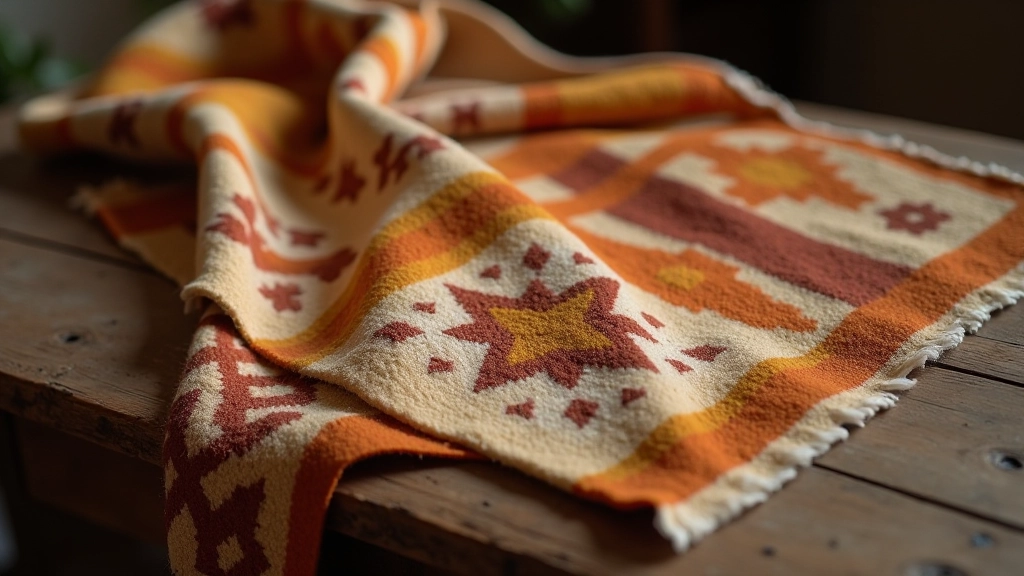
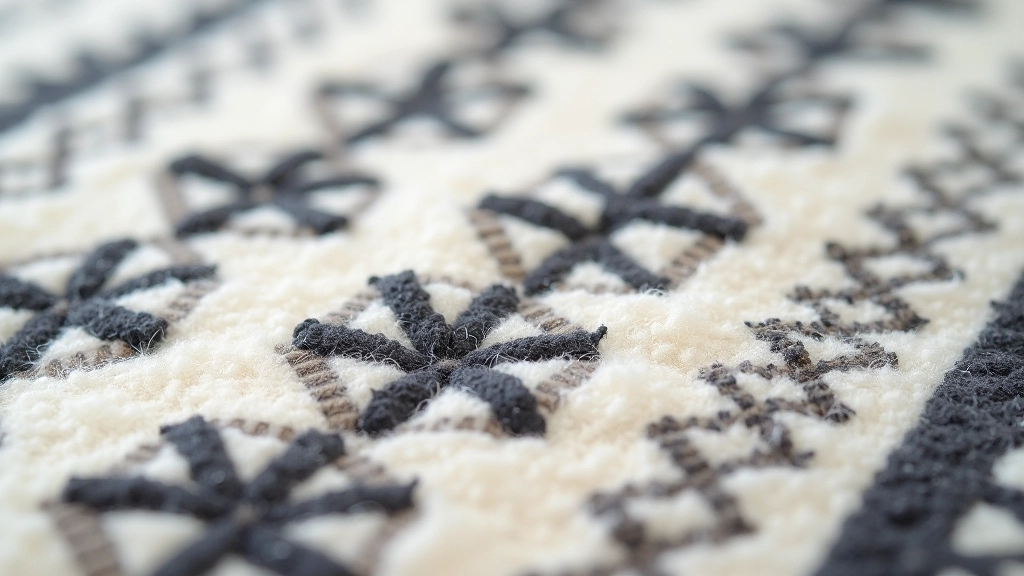
You'll notice something immediately about Haapsalu work: the patterns. While other regions favor organic, flowing designs, Haapsalu felters created sharp geometric forms. Diamonds, crosses, and angular borders dominate. This isn't just aesthetic preference — it's practical. Those clean lines actually hold stronger in the finished piece.
The Technique That Works Here
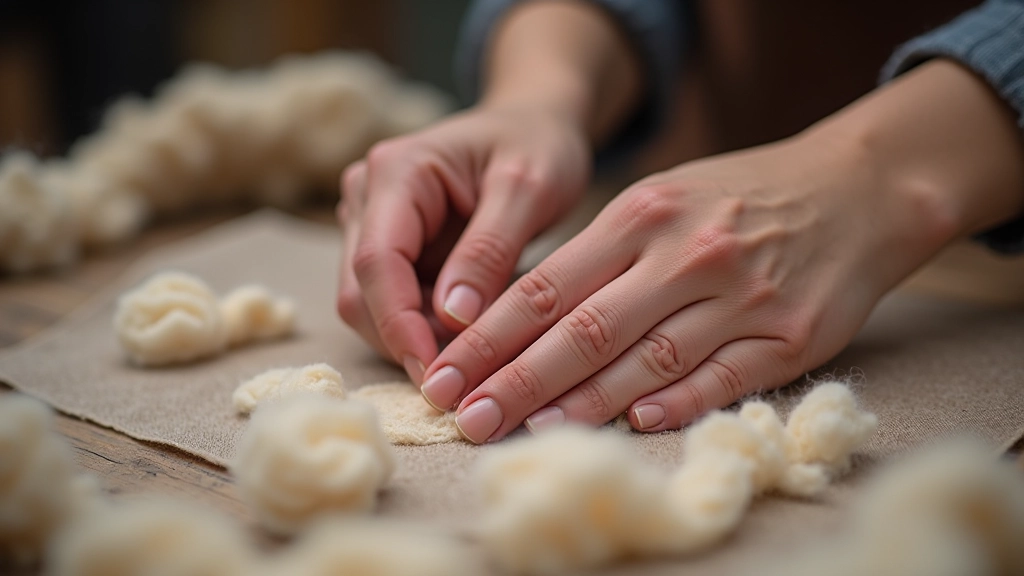
Haapsalu's signature method centers on layering and controlled friction. Felters don't rush. They'd lay out wool in precise patterns — sometimes 8-10 thin layers — then wet everything gradually. The pace matters. Too fast and the fibers don't bond evenly. Too slow and you waste hours on a piece that should take 3-4.
The rolling phase is where tradition really shows. Rather than the vigorous, random rolling you might see elsewhere, Haapsalu craftspeople use deliberate, directional strokes. You roll toward the pattern, then perpendicular to it, building structure methodically. After about 20 minutes of rolling, the piece transforms from separate fibers into a cohesive fabric.
What's remarkable is how little equipment they used historically. A piece of linen cloth, warm water, and hand pressure. No machines, no special tools. That simplicity meant anyone with space and access to local wool could learn. It's part of why the tradition spread so widely across the region.
Information Note: This article provides educational information about Haapsalu felting traditions and regional techniques. Individual results vary based on local materials, climate conditions, and personal skill development. We recommend practicing these methods at your own pace and consulting experienced felters in your area for hands-on guidance.
Local Materials, Real Difference
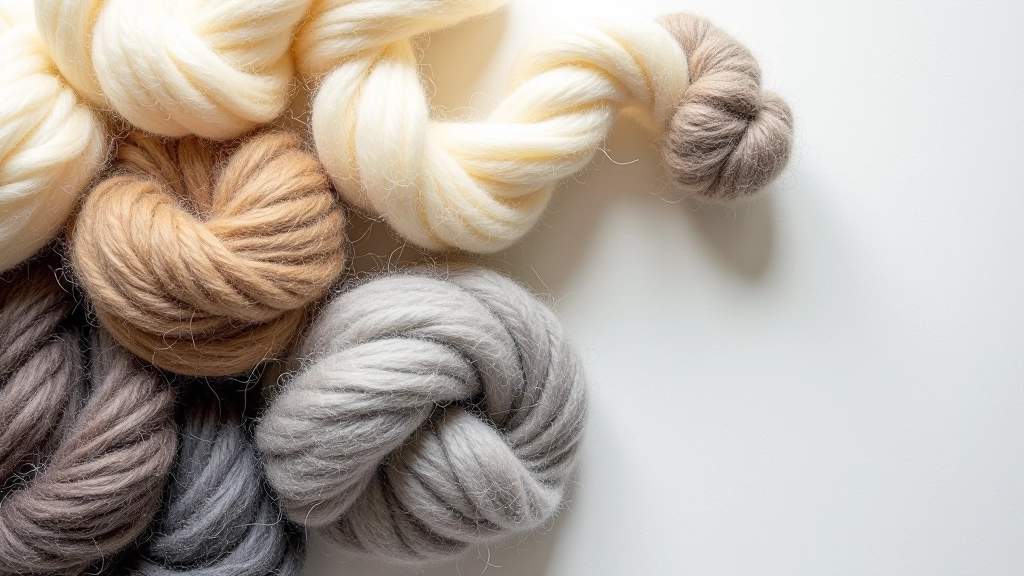
Not all wool performs the same. This is the most important thing to understand about Haapsalu felting. The region's access to specific sheep breeds — particularly the Estonian Native sheep — gave local felters an advantage that outsiders couldn't easily replicate.
Estonian wool has a micron count between 24-28 (medium-coarse). It's textured enough to felt quickly but still fine enough for detailed patterns. Compare that to merino at 18-22 microns — finer but slower to felt — or crossbred wools at 28-35 — they felt fast but produce rougher results.
The practical reality: if you're outside Estonia and want authentic Haapsalu results, you'll need to source similar wool. That means looking for heritage breed wool with character — not the smooth, uniform fibers that modern production favors. Yes, it costs more. Yes, it requires sourcing. And yes, it genuinely matters.
Patterns That Tell Stories
Walk into a traditional Haapsalu home a century ago and you'd see the same geometric motifs repeated across scarves, blankets, and wall hangings. These weren't random designs — they carried meaning and regional identity.
The Cross Diamond
Interlocking diamonds with cross centers. Represents protection and unity. Appears in nearly every traditional Haapsalu piece, often as a border pattern.
The Star Field
Small stars scattered across the background. A newer pattern, popular in 20th-century work. Creates visual texture without overwhelming the piece.
The Wave Border
Angular, zigzag edges that reference coastal themes. Frames the main pattern and strengthens the edges of the finished piece during felting.
The Stripe Accent
Solid colored stripes separating pattern zones. Simple to execute, visually powerful. Helps define the composition and adds contrast.
Why This Tradition Still Matters
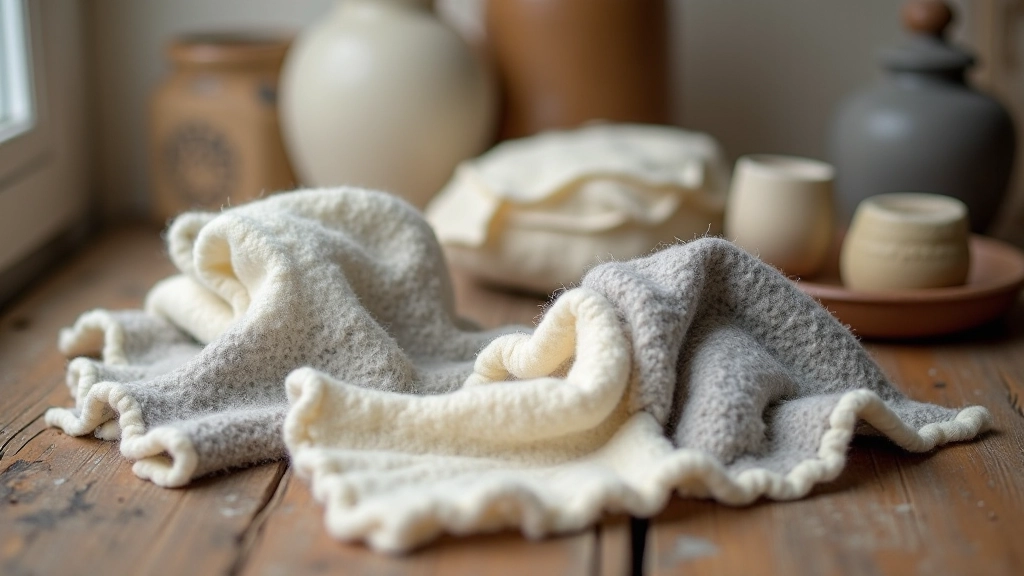
It's tempting to treat regional crafts as historical artifacts — interesting to study but impractical for modern life. Haapsalu felting breaks that assumption. The techniques developed here solve actual problems. Pieces made this way genuinely last longer. They resist pilling, hold their shape, and improve with age.
There's something else worth acknowledging: learning these methods connects you to a specific place and time. When you use Haapsalu techniques, you're not just making a felt piece. You're participating in a tradition that's been refined through generations of craftspeople working in similar conditions, with similar materials, solving similar challenges.
That continuity matters. Whether you're in Estonia or working with imported materials elsewhere, understanding the "why" behind Haapsalu methods makes your own work better. You'll make deliberate choices instead of following steps. You'll troubleshoot problems because you understand the underlying principles. And you'll create pieces that actually work — pieces that feel handmade because they genuinely are.
Ready to Explore Further?
Understanding regional traditions gives your felting work real depth. We've put together guides on sourcing the right wool and starting your first wet felting project — both essential if you're serious about learning these techniques properly.